Understanding the connections

Your mouth is a window
into your whole body.

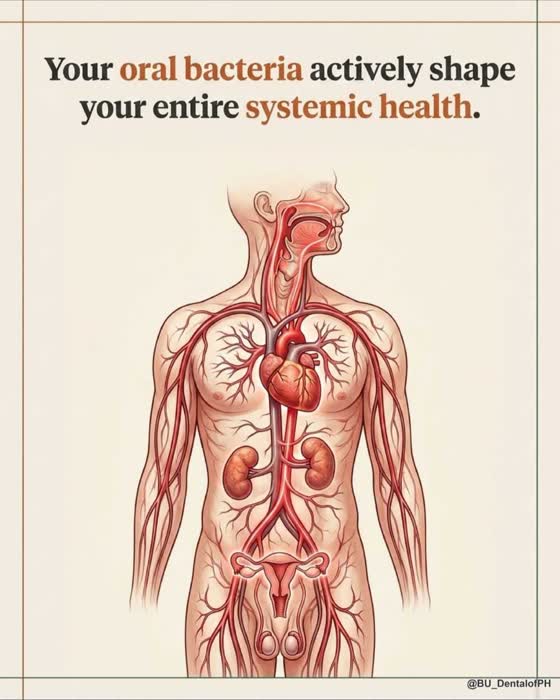
Millions of bacteria live in your mouth. When the harmful ones grow unchecked, they don't stay there. They enter the bloodstream and travel. Scroll to trace where they go, and what we watch for.

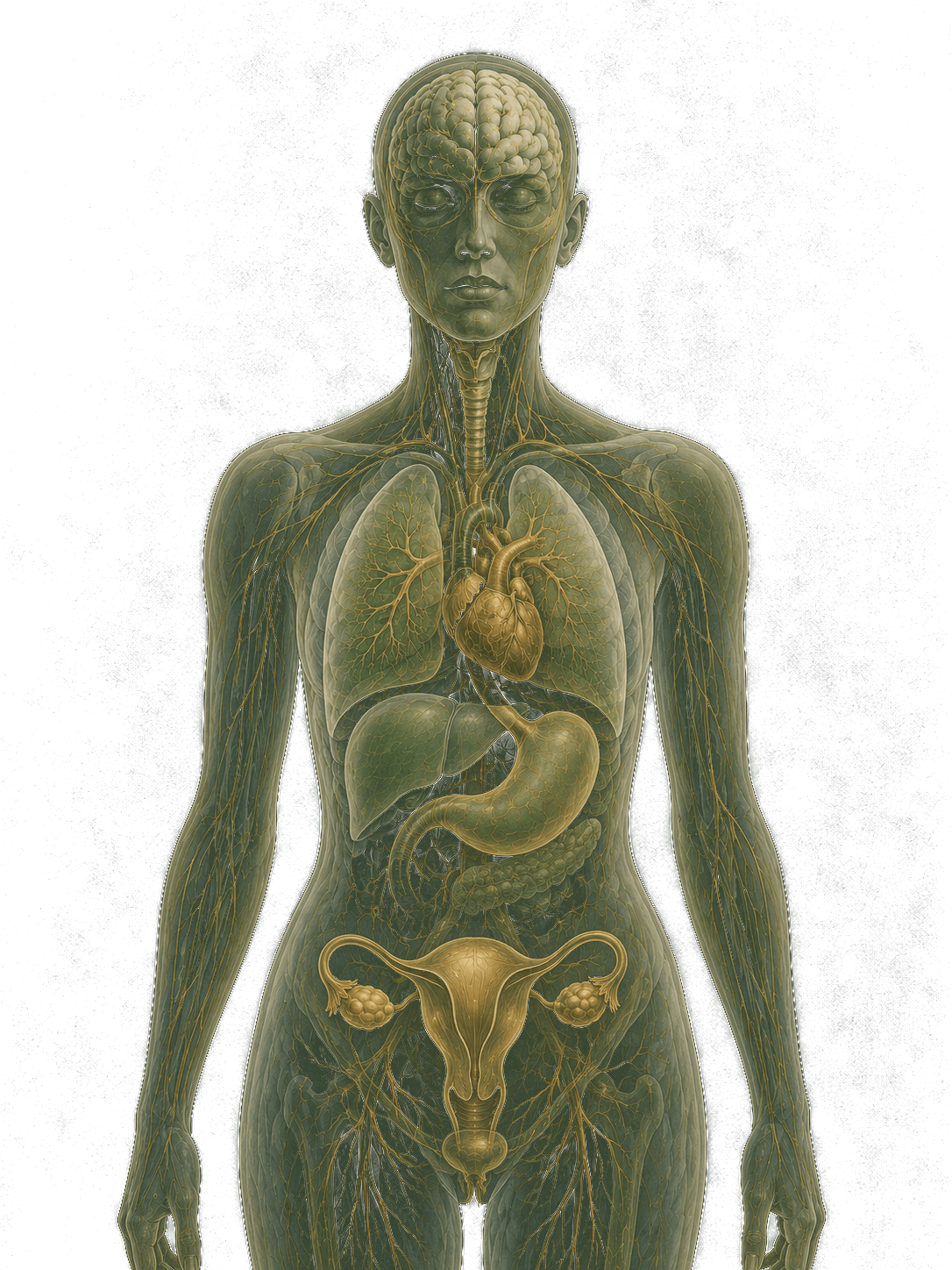
Editorial anatomical illustration of a translucent figure showing the brain, airway, heart, liver, and digestive and reproductive systems

Connection 01 of 10

Brain

Cognition & memory

The connection

A growing body of research links chronic gum inflammation to long-term brain and cognitive health.

Why oral health matters

Periodontal bacteria have been detected in studies of brain tissue, and ongoing oral inflammation may add to the body’s overall inflammatory burden.

How we evaluate it

We identify and address active oral infection early, helping reduce that chronic inflammatory load over time.

Go deeper: the research on brain

Connection 02 of 10

Sleep & airway

Breathing & rest

The connection

How you breathe and sleep is closely tied to your airway, jaw, and oral health.

Why oral health matters

Airway concerns, teeth grinding, and sleep-disordered breathing often show their earliest signs in the mouth.

How we evaluate it

We assess your airway, bite, and signs of grinding, and offer airway-centered therapy when it’s the right fit.

Go deeper: the research on sleep & airway

Connection 03 of 10

Cardiovascular

Heart & inflammation

The connection

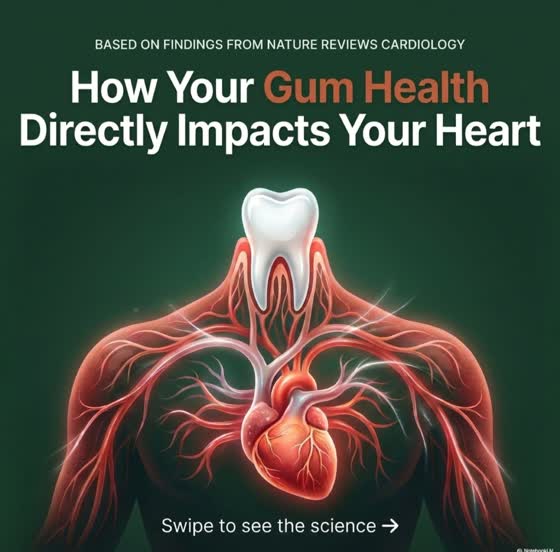
Gum disease and the inflammation behind it have been associated with heart and blood-vessel health.

Why oral health matters

The same bacteria found in periodontal (gum) infections have been identified in arterial plaque, and chronic oral inflammation is linked in research to higher cardiovascular risk.

How we evaluate it

We screen for inflammatory bacteria with on-site microscope analysis and track your gum health as part of a fuller risk picture.

Go deeper: the research on cardiovascular

Connection 04 of 10

Metabolic

Blood sugar

The connection

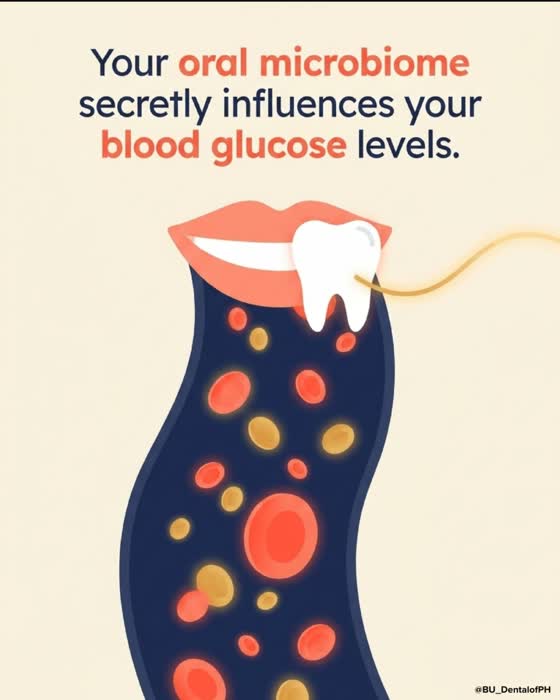
Gum health and blood-sugar control appear to influence each other in both directions.

Why oral health matters

Periodontal disease can make blood sugar harder to manage, and elevated blood sugar raises the risk of gum infection.

How we evaluate it

We monitor gum health closely and coordinate gentle, preventive care for patients managing metabolic health.

Go deeper: the research on metabolic

Connection 05 of 10

Pregnancy

Maternal health

The connection

Oral health is an important and often overlooked part of a healthy pregnancy.

Why oral health matters

Hormonal changes raise the likelihood of gum inflammation, which research has associated with pregnancy complications.

How we evaluate it

We provide safe, gentle preventive care and education tailored to each stage of pregnancy.

Go deeper: the research on pregnancy

Connection 06 of 10

Respiratory

Breathing & lung infection

The connection

Of all the mouth–body links, this one has the strongest evidence that treating the mouth actually changes the outcome.

Why oral health matters

Oral bacteria can be inhaled into the lungs. For anyone whose swallowing or cough reflex is impaired, that is a real route to pneumonia.

How we evaluate it

For medically complex and dependent patients we treat oral hygiene as respiratory prevention, and make home care achievable for whoever is actually doing it.

Go deeper: the research on respiratory

Connection 07 of 10

Bone & joints

Osteoporosis medication & joint replacement

The connection

If you are about to start a bone-strengthening medication, the order of events matters: dental first, then the prescription.

Why oral health matters

Bone-strengthening medications act on the jaw too, so dental infection is best cleared before that treatment starts rather than after.

How we evaluate it

We clear active infection before antiresorptive therapy begins — and we tell you plainly when antibiotics before dental work are not needed.

Go deeper: the research on bone & joints

Connection 08 of 10

Autoimmune

Rheumatoid arthritis

The connection

Rheumatoid arthritis and gum disease share more than inflammation — and treating the gums appears to help the joints.

Why oral health matters

Rheumatoid arthritis and gum disease share inflammatory pathways, and treating the gums has been shown to lower joint disease activity.

How we evaluate it

We identify the organisms present, treat active infection, and coordinate with your rheumatologist around the medications you take.

Go deeper: the research on autoimmune

Connection 09 of 10

Digestive tract

Gut & inflammation

The connection

You swallow your oral bacteria all day. Researchers are studying what that means for the gut.

Why oral health matters

You swallow oral bacteria all day, and researchers keep finding those same species inside inflamed and cancerous bowel tissue.

How we evaluate it

We identify what is actually present rather than assuming, treat it, and re-check afterwards to confirm the picture changed.

Go deeper: the research on digestive tract

Connection 10 of 10

Cancer

What the research does and does not show

The connection

Research has linked gum disease to a modestly higher risk of several cancers. Here is what that does — and does not — mean.

Why oral health matters

Research links gum disease to modestly higher rates of several cancers, though shared risks — smoking above all — explain much of it.

How we evaluate it

Every comprehensive exam includes an oral cancer screening, because early detection is the part that actually changes outcomes.

Go deeper: the research on cancer
See it for yourself

This is a real sample, under our microscope.

Not a stock illustration. This is actual footage from our phase contrast microscope. Those drifting rods and threads are bacteria. The large pale ovals are cells from the mouth's lining. Press play and watch a living ecosystem that is normally invisible.

Phase contrast microscopy at BU Dental. Look closely toward the middle of the clip: an amoeba, a single-celled parasite, drifts through the field. Finding one changes the conversation about what is living in a mouth.

We do this at every comprehensive visit, on screen, with you, because seeing your own biology is more persuasive than any lecture about flossing.

Try it yourself

Play the gumline.

You're the toothbrush. Sweep the bacteria up before they slip past into the bloodstream. It's the same gate this whole page is about. Watch for the golden amoeba; it's the one from our microscope footage, and it runs from you.

Open it full screen Best on a phone. Drag to move.

From our feed

More on the connections

Dr. Uddaraju and Dr. Bautista break down the oral-systemic connection on our feed, with new posts most weeks. Every one is built on peer-reviewed clinical research, and each links to the paper it came from, so you can read the primary source yourself.

Educational information describing associations reported in scientific research. It is not a diagnosis, medical advice, or a promise of treatment outcomes. Always consult your physician about your medical care. Content pending clinical review by Dr. Uddaraju and Dr. Bautista.

Call